


Just when China’s audio market seemed locked in an endless race over better noise cancellation, longer battery life, and ever pricier wireless buds, a much older device has slipped back into view. Wired earphones, the kind many people assumed died with the 3.5mm headphone jack, are suddenly being recast as practical, stylish, and even a little cool. Cheap pairs selling for 10 to 20 RMB are popping up across shopping platforms and social feeds, while young consumers are treating the humble white cable as part accessory, part anti-tech statement, part budget survival tool.
A Comeback That Is About More Than Sound
At first glance, the wired earphone revival sounds absurd. For nearly a decade, the market has pushed people in the opposite direction. Wireless earbuds promised freedom, convenience, and status. They removed the cord, removed the hassle, and eventually removed the headphone jack too. But now the logic is flipping. On Chinese social media, a growing number of young users are joking that wireless earbuds have only one advantage, being wireless, while wired earphones have every other advantage.
The appeal is simple and immediate. No charging. No pairing. No hunting for a missing bud at the bottom of a bag. No battery anxiety halfway through the commute. You just plug them in and they work. In a consumer environment where products are constantly marketed as smarter, sleeker, and more integrated into your life, that simplicity has become its own luxury.
The Price Is the Point
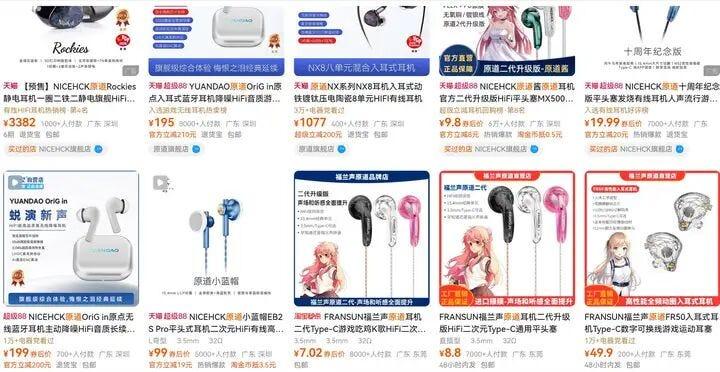
One of the most convincing explanations coming from Zhihu is brutally unromantic: this is, at least partly, consumption downgrade. China’s earphone market has been under pressure, with overall sales softening while more expensive flagship wireless models continue to creep upward in price. Some new top-end TWS earbuds now cost around 2,000 RMB or more. That puts them well out of reach for many casual users, especially people who simply want something that plays music and survives the week.
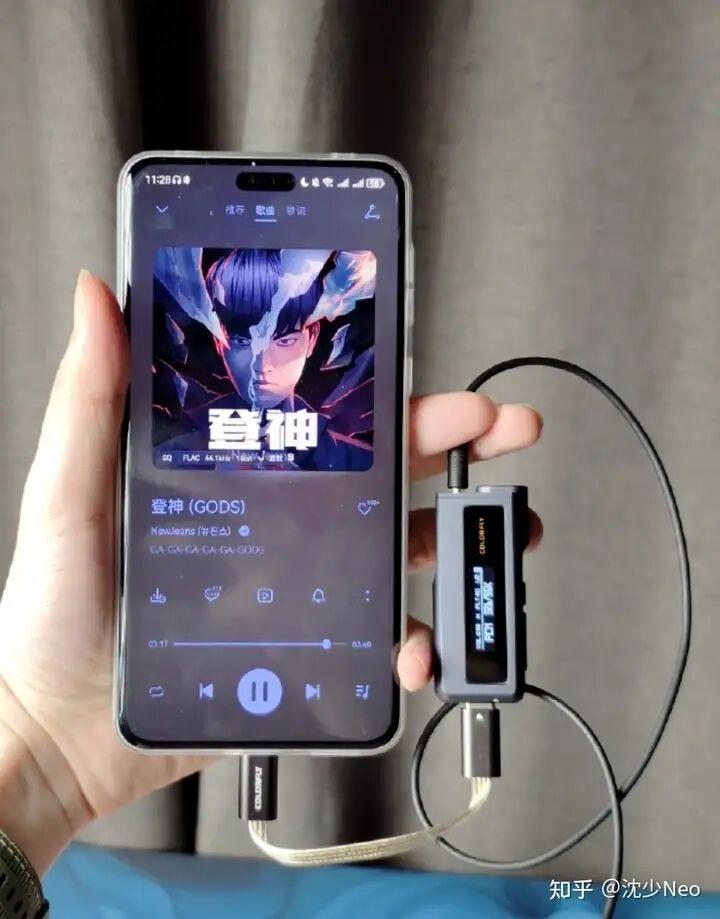
Against that backdrop, a 9.9 RMB or 19.9 RMB wired pair starts to look less like a retro novelty and more like common sense. Even after adding a cheap Type-C adapter for phones without a headphone jack, the total cost is still a fraction of wireless earbuds. And if they break, the replacement cost barely hurts.
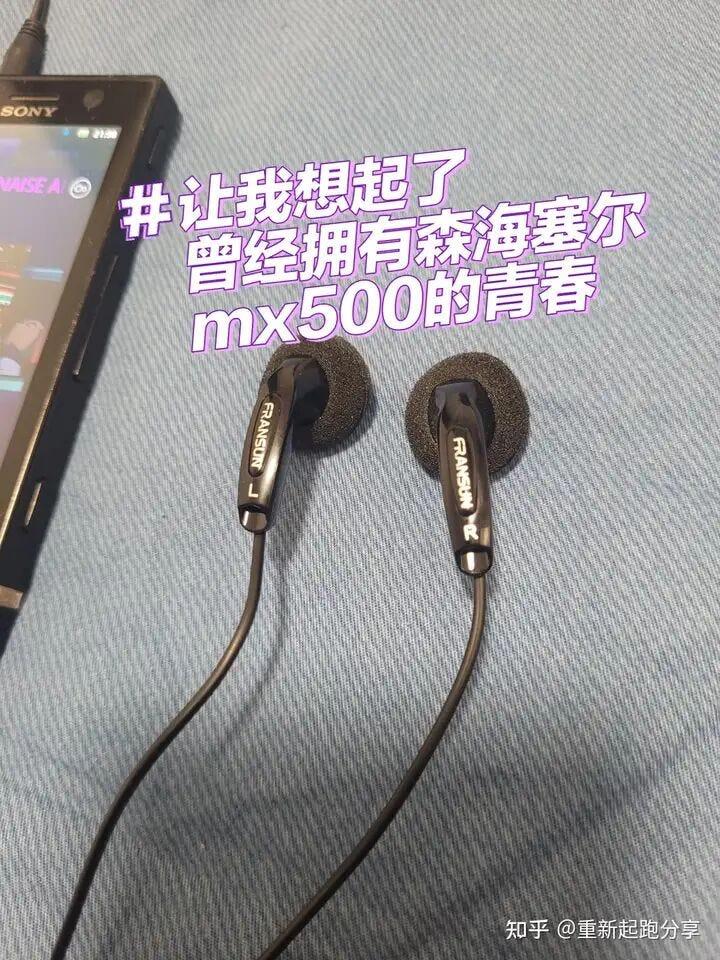
This matters because most consumers are not audiophiles. They are not shopping for pristine sonic detail or elite hardware prestige. They want something usable, affordable, and reliable enough for daily life. In that category, the basic wired earphone still competes remarkably well.
Practicality Still Wins
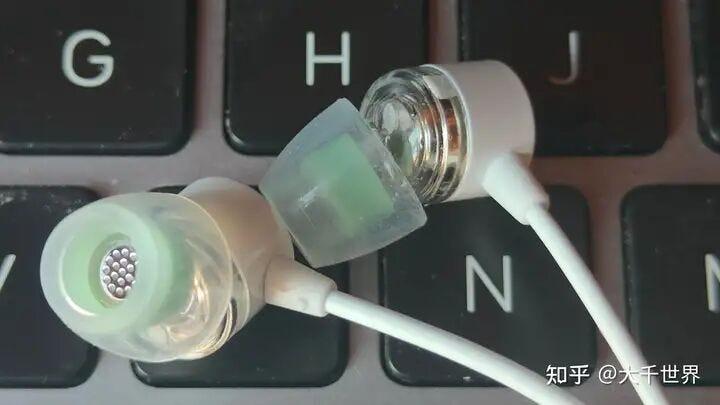
The strongest case for wired earphones is not fashion at all. It is friction. Wireless earbuds come with a long list of tiny modern annoyances. They need charging. They can go missing. They sometimes fail to connect. Their batteries degrade. Repairs are usually inconvenient or not worth the cost. Because they are highly integrated devices, even a small problem can make the whole product disposable.
Wired earphones have their own weakness, mostly wear and tear on the cable, but users seem increasingly willing to accept that trade-off. For low-budget buyers, it is easier to replace a cheap wired pair every so often than to baby an expensive set of wireless earbuds that will eventually lose battery capacity anyway.
There are also use cases where wired still clearly performs better. Gamers and video watchers care about latency. Music fans still talk about stable signal and better sound per yuan. Even people who are not very technical understand one key thing: plug-in audio still feels direct and dependable.
“The wired earphone comeback is not just nostalgia. It is a small rebellion against expensive, fragile convenience.”
Then There Is the Style Factor
Still, if practicality were the whole story, wired earphones would merely be surviving. They would not be trending. What pushed them back into public view was aesthetics. On Xiaohongshu and other platforms, young users are styling earphone cords as visual accessories. Some wrap the cable around the neck. Some let it hang from the waist. Some decorate the earbuds with stickers or metallic finishes. A few brands have even leaned fully into the absurd by selling wired earphone necklaces that are meant more for appearance than listening.
That helps explain why this trend feels familiar. It belongs to the same broader mood that revived CCD cameras, old point-and-shoot looks, ugly-cute accessories, and workwear pieces that once read as unfashionable. The object itself matters, but so does the signal it sends. Wearing wired earphones can now imply taste, irony, thrift, or a refusal to follow the premium upgrade treadmill.
There is also a social angle that Zhihu users pointed out with some humor. Wired earphones are visible. They broadcast a message to the world that you are occupied and do not want to be disturbed. Unlike tiny wireless buds that can disappear into your ears, a hanging white cable makes your personal boundary obvious.
Not Everyone Is Buying the Hype
Of course, some skepticism is warranted. A 20 percent sales rise sounds dramatic in a headline, but it does not automatically mean wired earphones are taking over the market. Several Zhihu replies noted that this could still be a niche wave amplified by social media algorithms, trend reporting, and a little bit of fashion industry oxygen. A comeback in visibility is not always the same thing as a mass return.
Others pointed out the obvious limitations. Wired earphones can snag during workouts. Tangling is still annoying. Many phones still need adapters. If your lifestyle is built around movement, convenience, and gym use, wireless will remain the more comfortable choice. The point is not that wired earphones are objectively better. It is that they suddenly feel desirable again to a group of people who had been told they were obsolete.
And maybe that is the most interesting part. Young consumers are not simply returning to old tech because it is old. They are reinterpreting it. The wired earphone has become useful, cheap, slightly ironic, mildly anti-mainstream, and visually legible all at once. In China’s current consumer culture, that combination is powerful.
So Why Has It Flipped?
The answer is probably not one thing. It is a convergence of lower spending appetite, frustration with expensive gadgets, nostalgia for simpler devices, and a fashion cycle that keeps turning discarded objects into statement pieces. Wired earphones hit all four at once.
In other words, the white cord is back because it solves problems, saves money, and says something. In 2026, that is more than enough.
Curated and translated from Zhihu, China's largest Q&A platform.
Newsletter
Subscribe to The Expat Edit
Chinese perspectives on global events, wars, and great power competition. Curated from Zhihu.
Free. No spam. View on Substack →