
The CIA director came home from Moscow with nothing. Vladimir Putin declined to meet him, and Russia turned aside both the Vatican's mediation and Washington's overture in the same week. The reading among the analysts we track was blunt: the diplomacy is over, the war will be settled on the battlefield, and Russia has escalated its air campaign against Kiev to match. On the other front, six months into the war on Iran, the same voices describe a sanctions campaign that has become theater. The thread joining the two is a familiar one on this site: coercion applied well past the point where the leverage behind it ran out.
The air war on Kiev
Alexander Mercouris described three days of sustained missile, drone and glide-bomb strikes on Kiev and other cities as something approaching, in his words, the intensity of the 1991 air war on Iraq, against a country whose air defenses are largely gone.¹ On The Duran, the collapse of the diplomatic track was the story: with the Vatican and the CIA both rebuffed, the war is now to be decided by force, and where Russia stops will be Russia's decision, not the West's.²
Not everyone reads the map the same way, and the disagreement is sharp and dated.
Both cannot be right, and both are now on the record. Footage of this week's strikes on the Kiev region sits in the video archive for anyone who wants to see what the two sides are describing. Underneath the tactical dispute, The Domino Effect made a longer argument: the intelligence war that Washington and London built inside Ukraine has outgrown its makers, with Kiev now mounting deep strikes and assassinations on its own authority.⁴
Iran at six months
On Iran the tracked voices were closer to unanimous, and the verdict was harsh. The occasion was a fresh US move to sanction a bank in the UAE over its Iran dealings, which the economist Steve Hanke, speaking on Dialogue Works, treated as beside the point.
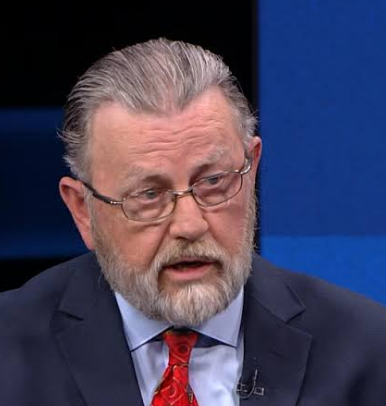
“They simply don't have enough ships to effectively blockade thousands of miles of ocean. They're a nuisance, not a full stop.”
The pattern of the day was a set of analysts who agree on little else converging on the same conclusion.


The one dissent came, as it often does, from the establishment corner. The Telegraph's *Ukraine: The Latest* reported that Israel has been "in despair" with the White House over Iran for months, not because the pressure is too much but because a thin interim deal leaves the regime and its nuclear program intact.⁵ Hanke put the strategic cost most starkly: the campaign, he argued, has only deepened Iran's incentive to build a weapon.⁶
The bill at home
Several of the same voices traced the cost back to the United States. Larry Johnson warned that the American diesel crisis will not ease over the next two to three months and is likely to worsen.⁷ Hanke pointed to the deeper vulnerability: China's grip on military-grade rare earths, which he argued could put the US economy into a nosedive within six months if Beijing chose to cut them off.⁸ And the through-line from Iran to the dollar, made by Trita Parsi and Daniel Davis alike, is that weaponizing the financial system keeps pushing other countries to build ways around it.⁹
Worth watching
Parsi offered the day's most concrete forecast: that Iran will hold its retaliation until mid-September or early October, timing it for maximum political effect before the US midterms, and that Washington will keep the blockade in place with no real deal until then. Mercouris expects the rail links into Kiev to start closing within the next few months. And Johnson's diesel warning carries its own near-term horizon. Each is logged with its date and source.
Sources
- Alexander Mercouris, *Alexander Mercouris*: three days of strikes approaching 1991-intensity; "Ukraine is being smashed." watch ▶ 42:51
- The Duran, *The Duran*: the Vatican and CIA rebuffed; "Where the Russians stop in Ukraine is where they choose to, not where the West tells them." watch ▶ 6:58
- RFU News, *Strategic Geopolitics*: outnumbered six to one, Azov's units are holding around Dobropillia. watch ▶ 0:36
- The Domino Effect, *The Domino Effect*: the CIA/MI6-built Ukrainian services now strike on their own authority. watch ▶ 4:50
- Ukraine: The Latest, *The Telegraph*: Israel "in despair" that a thin deal leaves Iran's regime and program intact. watch ▶ 0:02
- Steve Hanke, *Dialogue Works*: "a complete strategic catastrophe"; the war raised Iran's incentive to build a bomb. watch ▶ 13:28
- Larry Johnson, *Dialogue Works*: the US diesel crisis will not abate in the next two to three months. watch ▶ 24:41
- Steve Hanke, *Dialogue Works*: China's rare-earth leverage could put the US economy into a nosedive within six months. watch ▶ 59:14
- Trita Parsi, *Glenn Diesen*: "secretly rooting for Iran"; weaponizing finance drives the world to route around the dollar. watch ▶ 22:14
By Ruins Report, a daily synthesis of what our tracked analysts said, not original reporting. Every numbered claim is sourced, dated, and timestamped above.
Newsletter
Get the Daily Debrief
One email each morning: what the analysts we track actually said, and every call timestamped to its source. Free.
Free. No spam. View on Substack →
Support the Report
Free to read, every day.
The Debrief is compiled each morning from what the analysts we track actually said, sourced and timestamped. No paywall, no ads, no investors. If it earns a place in your inbox, you can help keep it independent.
Support the report →