
The most-discussed event among the analysts we track this week was not a battle or a sanction but a visit. John Ratcliffe, the director of the Central Intelligence Agency, traveled to Moscow on an unannounced trip, spent several hours in meetings with officials below the level of Vladimir Putin, and went home. He was not received by the Russian president, nor, by most accounts, by Foreign Minister Sergei Lavrov. Washington framed the mission as a warning, and much of the American press reported that Ratcliffe had cautioned Russia against widening the war. The analysts we follow read it almost exactly the other way.
A near-unanimous reading
The consensus among the day's voices was that the trip revealed the weakness of the party that made it, not Russia's. Four analysts on four different programs reached for the same conclusion.



A caveat is owed to the reader, and it is a large one today. The voices that addressed the Moscow trip belong almost entirely to the restraint-minded, multipolar wing of the analysts we follow. On this particular day there was no meaningful dissent in the sample. No one argued the administration's case that the visit projected strength. What the table reflects is the judgment of those who spoke, which was lopsided, not the settled truth of the matter.
The campaign the trip was meant to rescue
Several analysts connected the Moscow visit to the state of the pressure campaign against Iran, which by their account has stalled. Max Blumenthal argued the Kremlin outreach was less about NATO than about prying Russia away from Tehran and reviving an economic blockade that had "hit a dead end" ahead of the November midterms.⁵ The economic front drew the sharpest language. Pepe Escobar said the Treasury's threat to expel from the dollar system anyone trading with Iran had been met with open refusal from Russia, China and Pakistan, and that the sanctions regime "collapsed on day one."⁶ Michael Hudson explained the mechanism. China's CIPS payment network now rivals the Western clearing systems, so a threat to cut violators off from the dollar would, in his reading, isolate the dollar rather than Iran.⁷
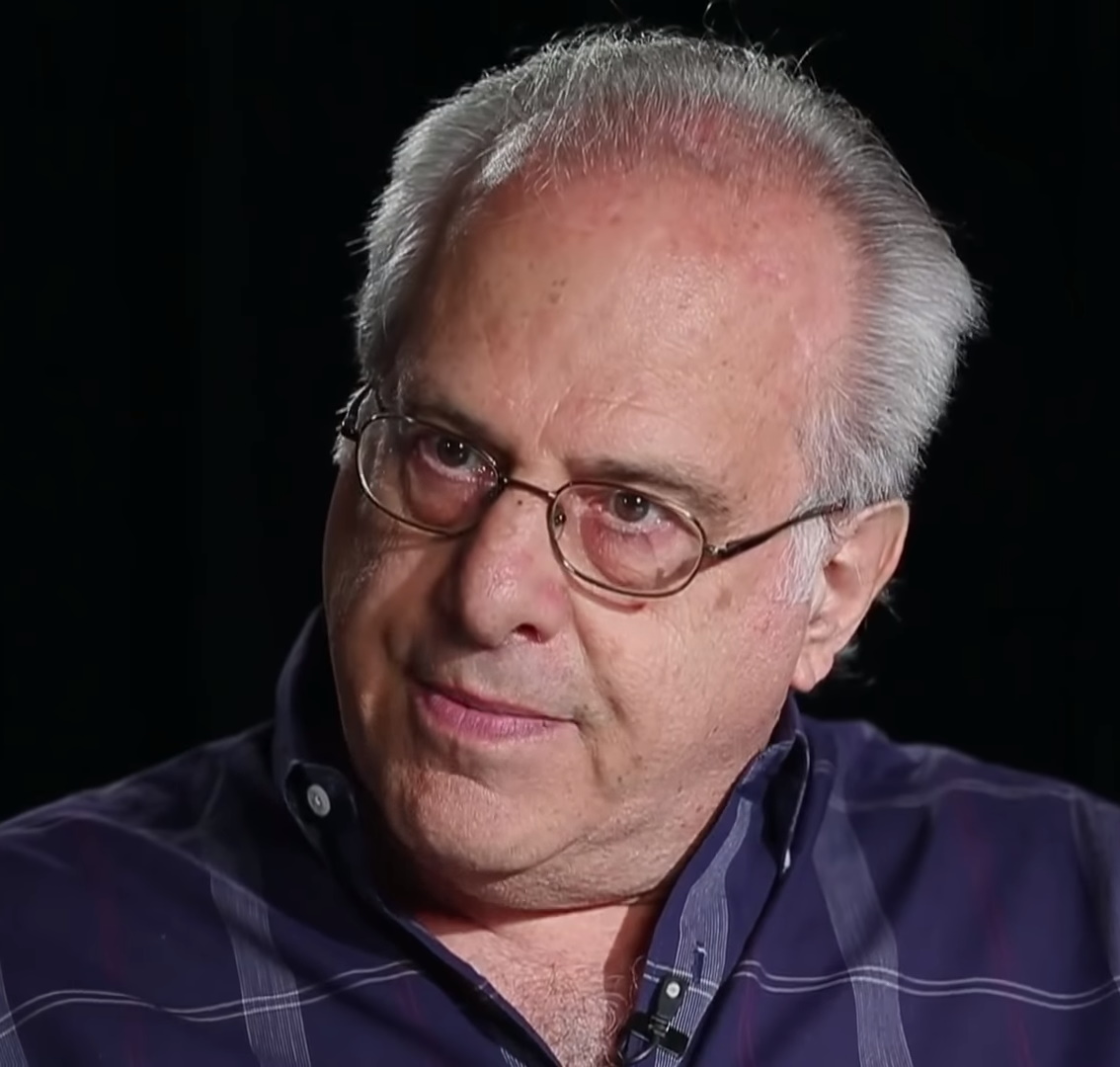
Richard Wolff, alongside Hudson, placed the week in a longer arc. Sanctions on Iran, Russia, Cuba and North Korea had "rarely if ever" achieved their political aims, he argued, and the Treasury's "economic onslaught" was theater "made in Hollywood" for a domestic audience before an election.⁸ Martin Armstrong, speaking with Glenn Diesen, made a parallel point from a different vantage: the pivot from bombing Iran to sanctioning it was itself a tacit admission that the bombing had failed.⁹ Lawrence Wilkerson, who appeared on two programs, disputed the premise underneath all of it, the administration's claim of an "ironclad blockade" of the Strait of Hormuz. Tankers were going dark and slipping through the strait at night, he reported, and the United States "just don't have the Moxy" to prevail.¹⁰
“The empire is down.”
The front the trip could not stop
If the analysts agreed on anything beyond the Moscow trip, it was the trajectory in Ukraine. Alexander Mercouris described a "middle game" in the war "coming to an end with the Russians in a decisive winning position," and the fortified Donbas cities as all but undefendable.¹¹ The Duran expected the town of Orikhiv, in Zaporozhye oblast, to fall soon, with the city of Zaporozhye next.¹² Andrei Martyanov described Slaviansk and Kramatorsk being enveloped and the United States ending as "the main loser" whatever it now does.¹³
Running alongside the battlefield story was an escalation between Moscow and London. Citing a warning from Russian foreign-ministry spokeswoman Maria Zakharova that Russia could target "any British military facilities," Steve Jermy, a former Royal Navy commodore, told Daniel Davis he put the odds of a direct Russian strike on a British target at roughly even. If it came, he said, he would expect a hit on a weapons factory or energy infrastructure rather than a merely symbolic gesture.¹⁴
A dated, testable claim
Most of what was said resists scoring. A few claims do not. Wilkerson, on both of his appearances, offered the same specific forecast: that Trump will keep the Iran confrontation low for now and resume the war "with a vengeance" after the midterms, between late November and Christmas.¹⁵ Escobar offered a nearer marker, expecting a significant signal from Washington on the Iran talks within days, "between today, Thursday and Friday."¹⁶ Both will be settled soon, and on the record.
There is a longer-horizon marker worth logging too. Wilkerson, speaking with Daniel Davis, predicted that NATO will cease to function as a real alliance, though he allowed it could take up to a decade. It is the kind of claim that is easy to state and hard to grade, but which the day's other voices, in their various registers, seemed to be circling.
Sources
- Alexander Mercouris, *Alexander Mercouris*: Ratcliffe sent to "persuade, bully, intimidate and bribe" Russia, denied his high-level meetings, went home empty-handed. watch ▶ 22:59
- Andrei Martyanov, *Dialogue Works*: the CIA director came as a messenger; Washington "has no leverage whatsoever." watch ▶ 1:28
- Phil Giraldi, *Judging Freedom*: sending a spy chief not a secretary of state is an implicit threat; "straight out of the head of Donald Trump." watch ▶ 4:10
- The Duran: the reported "warning to Russia" is cover; "it is the Americans threatening the Russians, not the other way around." watch ▶ 11:38
- Max Blumenthal, *Judging Freedom*: the Kremlin visit is about prying Russia from Iran and reviving a blockade that had "hit a dead end." watch ▶ 15:12
- Pepe Escobar, *Dialogue Works*: the dollar-expulsion threat drew open refusal from Russia, China and Pakistan; the sanctions regime "collapsed on day one." watch ▶ 18:08
- Michael Hudson, *Dialogue Works*: China's CIPS rivals Western clearing; the threat would isolate the dollar, not Iran. watch ▶ 15:30
- Richard Wolff, *Dialogue Works*: sanctions "rarely if ever" achieve their aims; the "economic onslaught" is theater "made in Hollywood." watch ▶ 5:51
- Martin Armstrong, *Glenn Diesen*: the pivot from bombing to sanctions is a tacit admission the bombing failed. watch ▶ 4:34
- Lawrence Wilkerson, *Judging Freedom*: the Hormuz "blockade" is false, tankers slip through at night; "we just don't have the Moxy." watch ▶ 21:52
- Alexander Mercouris, *Alexander Mercouris*: the "middle game" is ending "with the Russians in a decisive winning position"; Donbas cities all but undefendable. watch ▶ 68:43
- The Duran: Orikhiv "soon going to fall," with the city of Zaporozhye next. watch ▶ 5:34
- Andrei Martyanov, *Dialogue Works*: Slaviansk-Kramatorsk being surrounded; the U.S. ends as "the main loser." watch ▶ 5:26
- Steve Jermy, *Daniel Davis / Deep Dive*: roughly even odds of a direct Russian strike on a British target; a weapons factory or energy site, not a symbolic hit. watch ▶ 54:26
- Lawrence Wilkerson, *Daniel Davis / Deep Dive*: Trump resumes the Iran war "with a vengeance" after the midterms, between late November and Christmas. watch ▶ 10:09
- Pepe Escobar, *Dialogue Works*: a major U.S. signal on the Iran talks expected "between today, Thursday and Friday." watch ▶ 9:45
By Ruins Report, a daily synthesis of what our tracked analysts said, not original reporting. Every numbered claim is sourced, dated, and timestamped above.
Newsletter
Get the Daily Debrief
One email each morning: what the analysts we track actually said, and every call timestamped to its source. Free.
Free. No spam. View on Substack →
Support the Report
Free to read, every day.
The Debrief is compiled each morning from what the analysts we track actually said, sourced and timestamped. No paywall, no ads, no investors. If it earns a place in your inbox, you can help keep it independent.
Support the report →