

When a president tells the United Nations he will annihilate a country, the natural questions are whether he means it and whether he can. The analysts we track have moved past those. The question they took up this time is when, and the answer arrived with a uniformity that is itself worth examining. An Iranian academic in Tehran, a former CIA officer, a Reagan-era Treasury official, a former MI6 officer and a Columbia economist reacting to the speech as it aired all reached the same date by different routes. Nothing decisive happens before the November midterms. Something may happen very soon after.
Alastair Crooke supplied the physical evidence. Speaking with Daniel Davis, he pointed to refueling aircraft massing at Al Udeid in Qatar, the kind of logistics that precede a campaign rather than a speech, and concluded that the buildup portends a major American escalation, if not immediately then in November.¹ The qualifier is the point. Crooke does not read the tankers as proof that a strike is imminent. He reads them as proof that the option is being kept warm through the election and readied for the weeks after it.

“This massive buildup of forces portends a major escalation by the United States, if not now, then in November.”
Paul Craig Roberts reached the same month from the opposite direction, through domestic politics rather than logistics. On Dialogue Works he described the UN speech in the plainest terms available: "the president of the United States in front of the whole world threatened Iran with nuclear Armageddon."² He reads that threat as Netanyahu's instrument, deployed to extract by intimidation the capitulation that the conventional attack launched at the end of February failed to produce. And he has long held that the midterms are the hinge. If Democrats take Congress by a wide margin, in his view, the confrontation ends because the president loses the room to act. The election Crooke sees clearing the way for escalation, Roberts sees closing it. Both agree that until the votes are counted, the decision is on hold.
In Tehran, the pause reads differently. Mohammad Marandi told Andrew Napolitano that the threat will not move a single Iranian negotiating position. "That sort of threat is not going to make Iran back down. It's not going to happen. The only thing that it will do is it's going to make Iran more steadfast."³ What it does change is the price of waiting. Iran, he argued, is deliberately holding oil high enough to weigh on Trump's approval ratings without pushing it to a level that would break the world economy, a calibration aimed squarely at the electorate the president needs in November. Time, in Marandi's reading, favors Tehran: "it's going to be much harder for the United States to deal with Iran next month or the month after or with Yemen."⁴ He noted that Xi Jinping was due to meet Trump the following day and predicted flatly that "the Chinese are not going to bow to the Americans" on Iran.⁵
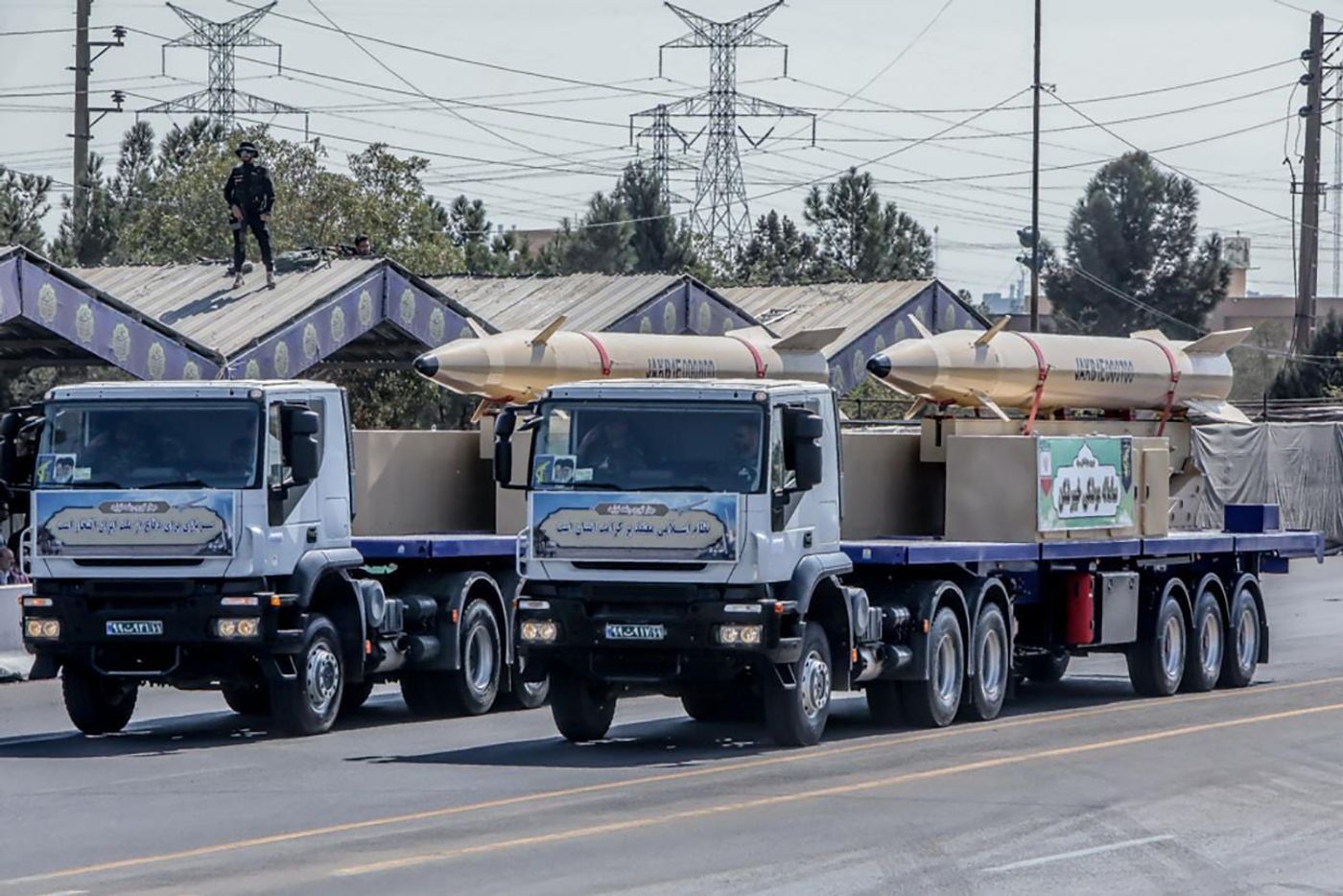
So the electoral clock cuts both ways. It restrains the president, and it hands his adversary time. That is precisely what worries Phil Giraldi. The former CIA officer, also on Judging Freedom, does not expect Washington and its partners to sit patiently through October. If the threat itself fails to move Iran, he said, "it'll be something like a false flag by Israel making something look like Iran had carried it out, probably against Saudi Arabia or some target like that, and then they will be justified in their own minds to escalating the war against Iran in an attempt to finally destroy it."⁶ Iran was not the aggressor in this war, in Giraldi's account, and the annihilation threat owes more to Israeli prodding than to anything Tehran has done. His verdict on the country issuing it was unsparing: "The United States is a joke. It's not a serious country anymore."⁷ The nearer risk, then, is not that the clock runs out. It is that someone forces it.
Which raises the question of who might stop either outcome. Jeffrey Sachs, reacting to the speech on Judging Freedom, answered: no one. The president "threatened to murder 91 million human beings,"⁸ and the branch of government that holds the sole power to declare war did not stir. Sachs reached for Rome. "There was a Senate that actually still said something. Our Senate says nothing."⁹ Congress has surrendered its war and spending powers, in his account, and no court or chamber checks the executive any longer. He added the detail that makes the threat hardest to justify on its own terms: Iran submitted to NPT and JCPOA inspections for years while "Israel never did."¹⁰ Napolitano, who hosted four of the day's conversations, put the same point in his own register, describing a president who has come to believe he may kill and take at will.
Put the five readings side by side and the shape is clear. A former intelligence officer, a former Treasury official, an Iranian academic, a British ex-diplomat and an American economist do not share a politics, and they disagree about who holds the initiative. They agree that the president's threat is not a decision but a schedule, and that the schedule is set by an American election rather than by anything Iran does or fails to do. That is a strange kind of deterrence. It tells Tehran exactly how long it has. It tells Israel exactly how long it has. And it tells everyone watching that the only constraint on the world's most powerful military is a date on a domestic calendar, not any of the institutions built to hold it. On one side of November sits the risk Giraldi describes, a pretext manufactured to beat the clock. On the other sits the buildup Crooke describes, waiting for it to expire. In between sits the single check anyone could identify, which is the vote itself.
Elsewhere on the day
A daylight Russian strike on the railway linking Kiev to Poland drew this from Alexander Mercouris on his own channel: "It demonstrates that the Russians can now hit any target they wish in Kiev at will."¹¹ In a separate conversation with Glenn Diesen, he read the recent German and Russian election results as two versions of the same signal, war-weary publics turning on their own establishments, while the siege of the Donbas enters what he considers its final phase.
On The Duran, the American trial lawyer Robert Barnes tied the war's unpopularity to an electoral forecast of unusual scale: Democrats above 240 House seats and as many as 58 in the Senate, a rout he calls historic. He expects Netanyahu to lose his own upcoming election as well. Of a president facing that prospect he said, "Trump doesn't do plan B's anymore. Plan B's are for losers."¹²
Also with Glenn Diesen, the market analyst Alex Krainer argued that Western banking oligarchies have turned the free-market system into a colonial extraction machine now reaching its limits, with Europe's public finances buckling under the cost of the Ukraine war. His conclusion was categorical: "We're probably almost certainly going to see collapse of the European Union, we're going to see collapse of NATO."¹³
Sources
- Alastair Crooke, *Daniel Davis / Deep Dive* · US force buildup, including tankers massing at Al Udeid, portends a major escalation "if not now, then in November" watch ▶ 15:40
- Paul Craig Roberts, *Dialogue Works* · Trump threatened Iran with nuclear Armageddon in front of the whole world watch ▶ 2:42
- Mohammad Marandi, *Judging Freedom* · The threat will not make Iran back down, only more steadfast watch ▶ 15:07
- Mohammad Marandi, *Judging Freedom* · Dealing with Iran and Yemen gets much harder for Washington next month and the month after watch ▶ 9:29
- Mohammad Marandi, *Judging Freedom* · Xi meets Trump tomorrow and China will not bow to the Americans on Iran watch ▶ 19:22
- Phil Giraldi, *Judging Freedom* · Expects an Israeli false flag, probably against Saudi Arabia, as the pretext to escalate against Iran watch ▶ 20:40
- Phil Giraldi, *Judging Freedom* · "The United States is a joke. It's not a serious country anymore." watch ▶ 19:14
- Jeffrey Sachs, *Judging Freedom* · Trump threatened to murder 91 million human beings watch ▶ 11:53
- Jeffrey Sachs, *Judging Freedom* · Even Rome's Senate still said something; the US Senate says nothing watch ▶ 6:58
- Jeffrey Sachs, *Judging Freedom* · Iran complied with NPT and JCPOA inspections; Israel never did watch ▶ 20:58
- Alexander Mercouris, *Alexander Mercouris* · Russia can now hit any target it wishes in Kiev at will watch ▶ 23:14
- Robert Barnes, *The Duran* · "Trump doesn't do plan B's anymore"; projects a historic Republican midterm rout watch ▶ 10:32
- Alex Krainer, *Glenn Diesen* · Predicts the collapse of the European Union and NATO as Europe's finances buckle watch ▶ 43:41
By Ruins Report, a daily synthesis of what our tracked analysts said, not original reporting. Every numbered claim is sourced, dated, and timestamped above.
Newsletter
Get the Daily Debrief
One email each morning: what the analysts we track actually said, and every call timestamped to its source. Free.
Free. No spam. View on Substack →
Support the Report
Free to read, every day.
The Debrief is compiled each morning from what the analysts we track actually said, sourced and timestamped. No paywall, no ads, no investors. If it earns a place in your inbox, you can help keep it independent.
Support the report →