
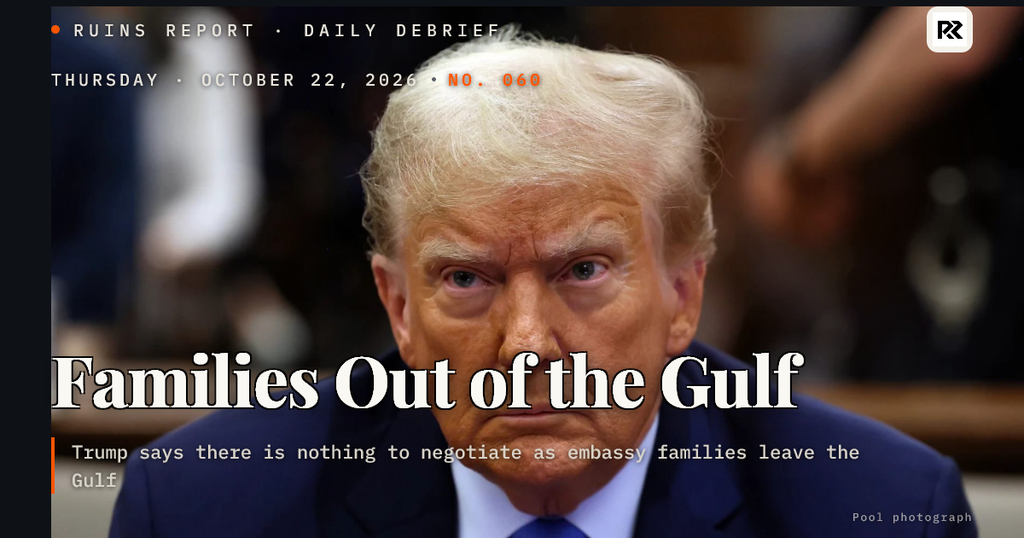
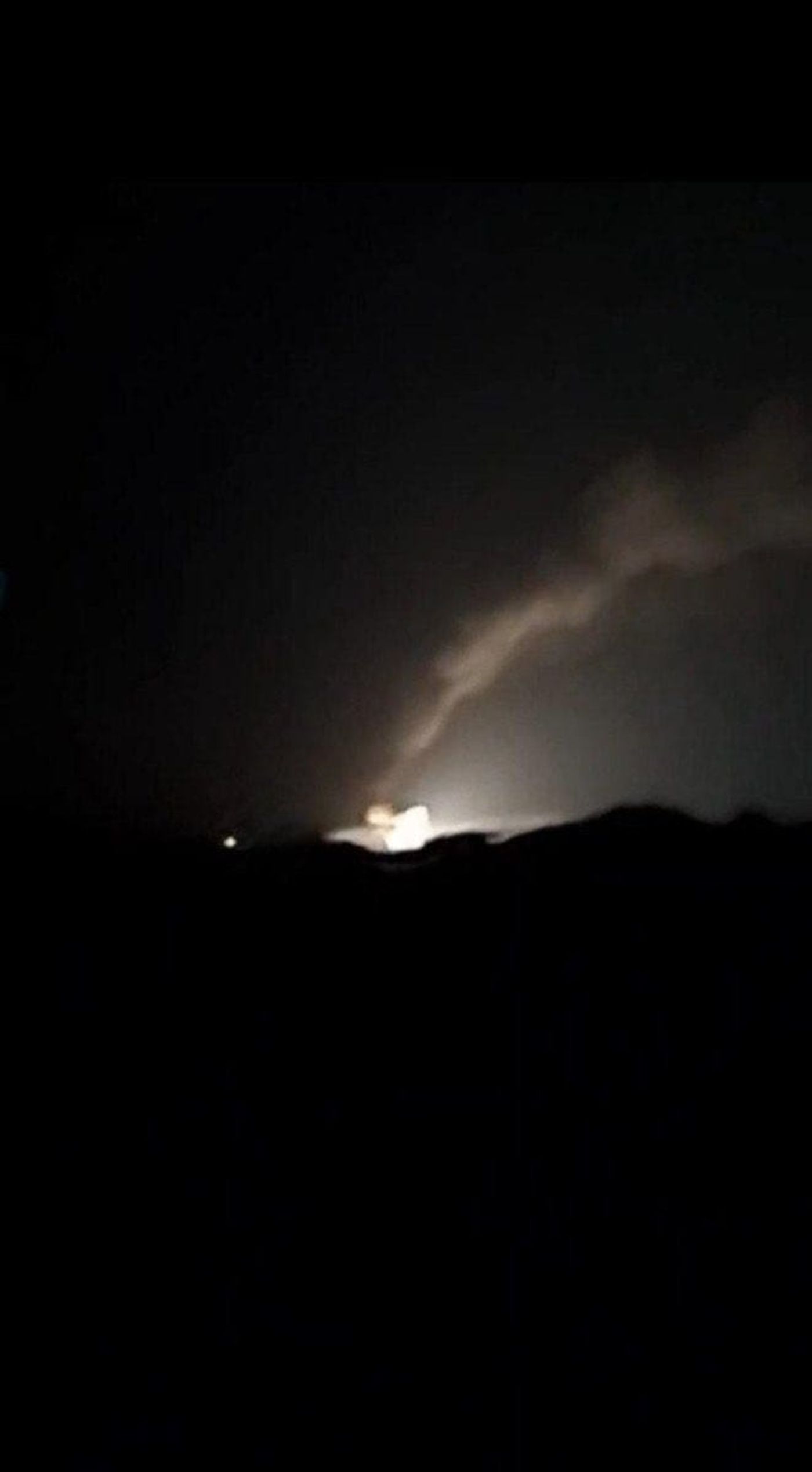
On Tuesday 21 October the United States began moving its own people out of the way. Agence France-Presse reported that embassy families in Qatar, Jordan and Bahrain had been ordered to leave; the State Department denied it, and NBC then reported American troops and diplomats evacuating. Nima Alkhorshid relayed that sequence alongside two other reports: that a US strike had hit an IRGC anti-ship missile launcher at Sirik on Iran's southern coast, and that dozens of Israeli fighters and tankers had flown more than 1,200 kilometers toward Iran on Monday 19 October in what was billed as a training exercise ahead of Israel's election on Tuesday 27 October.¹ Nate of Canadian Prepper, citing unnamed White House officials, described the drawdown from the American side: non-essential personnel asked to leave missions across the region, and a quieter thinning of the Gulf bases.² Trump, beside Air Force One the same afternoon, said the United States is not negotiating with Iran and that something would happen fairly soon, one way or the other.
A day after the Qatari-Pakistani mediation came back from Tehran empty, the question was no longer whether there would be another round but whether it had already started, and whose hand is on the first move. On the second part there was almost no disagreement. Nobody thinks it is Tehran's.
Larry Johnson was the most categorical about the first part. If the Sirik report is correct, he said, "we'll mark today the 21st of October is the day the war heated back up."³ He reads the evacuations as the signal that matters, and said intelligence officers had told him the whole Gulf and Jordan would be cleared.⁴ Later that evening he put a clock on it: US and Israeli strikes go kinetic within 48 hours, once the evacuation is finished.⁵ What follows, in his account, is an Iranian response within days that is disproportionate by design,⁶ because the age in which a government could be overthrown from the air has passed and "they've been preparing to retaliate for the last five months."⁷
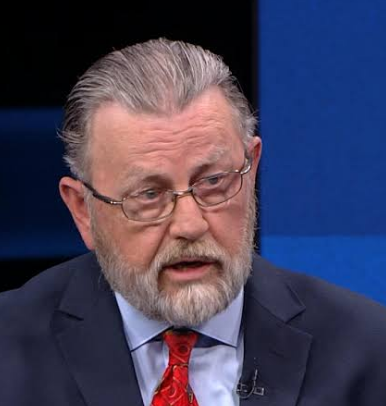
“If they evacuate all the embassies, I take that as a sign to get ready to attack Iran.”
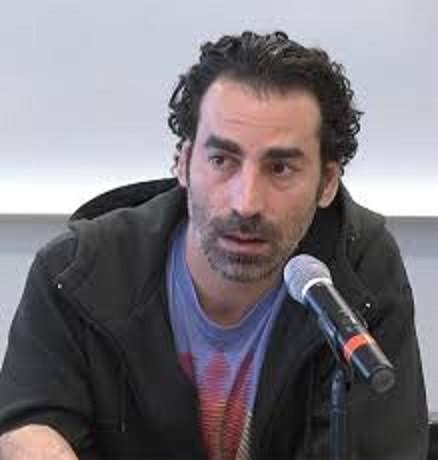
Anthony Aguilar arrives at the same place by a different road. He expects Israel to strike before the midterms on Tuesday 3 November, around the Israeli vote, and the United States to "then follow in suit," as it did on Saturday 28 February.⁸ Trump's reluctance does not settle anything, because "Netanyahu cares about himself more than what Donald Trump would have to say."⁹ He reads Hegseth's trip to Tel Aviv as carrying Trump's message to Netanyahu, and the Theodore Roosevelt group's stop in Japan as a run to load munitions from American depots there,¹⁰ which would put the carrier in theater around Monday 26 October.¹¹
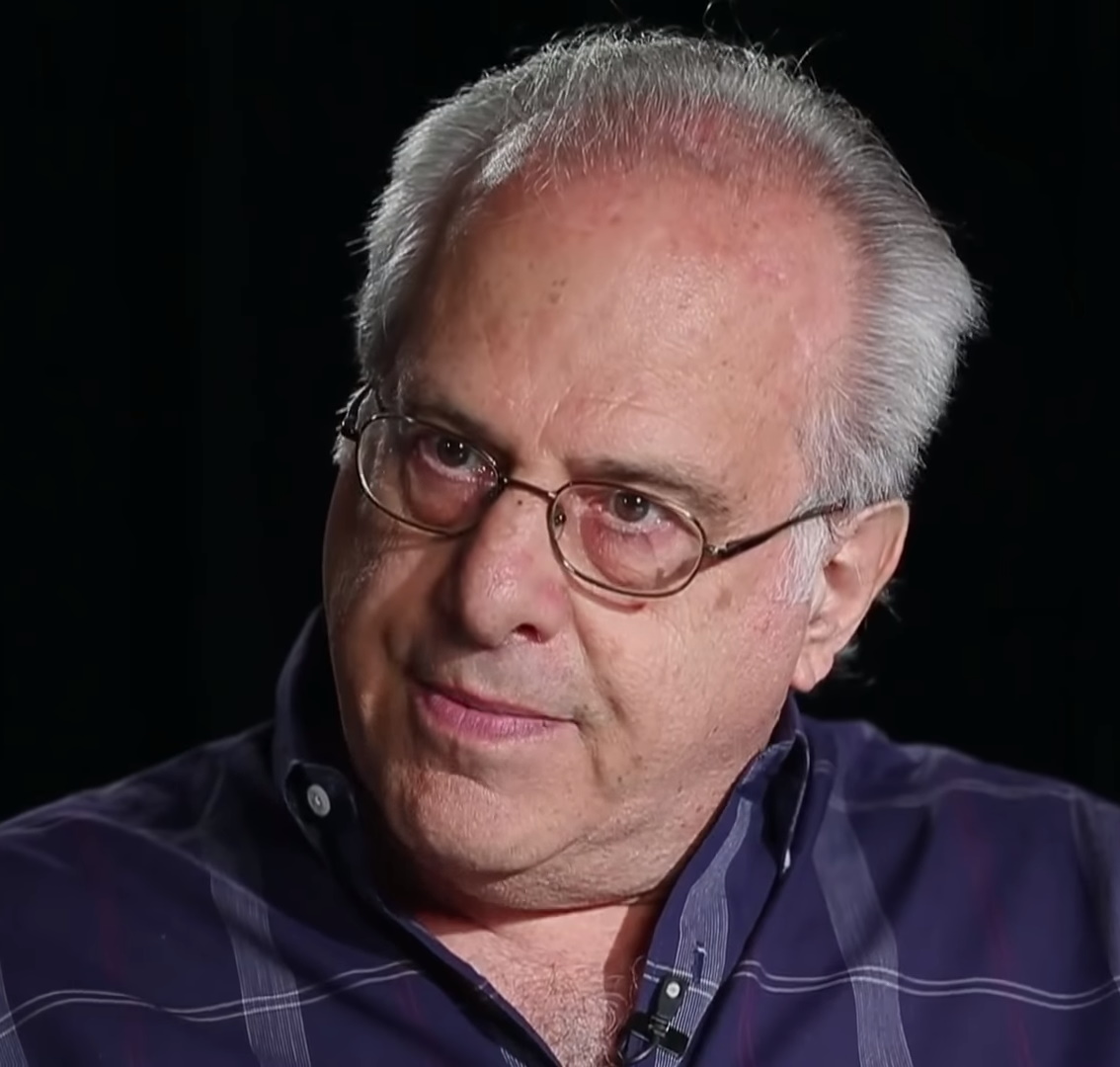
Mohammad Marandi, speaking from the other side of the line, describes an Iran on full alert that will not move first. "I highly doubt that the Iranians would ever initiate conflict," he said, though he would not call it impossible, since the two countries are at war as he speaks.¹² He reads Netanyahu's incentive the way Aguilar does: a prime minister who has done more to wreck Israel's standing than anyone, and who, "if he feels that he's going to lose," would want to start a war.¹³ He is also explicit about what a strike would draw. Israel cannot fight Iran without American refueling, and the tankers fly from Gulf bases, so in his view the reply would be collective: the United States, the states hosting the refuelers and Israel, together.¹⁴ From Washington on its own account he expects nothing at all: "There is no October surprise," because Iran's position, implement the memorandum, is the same before and after 3 November.¹⁵
The dissent is about tempo, not direction. Nate of Canadian Prepper leans toward a strike being close, and relayed reporting in the New York Times, the Wall Street Journal and Axios of a three-day American-Israeli campaign drawn up for possible execution after the midterms, with nuclear sites, missile and drone factories and Pickaxe Mountain on the target list.² The openness of the broadcasting is what makes him suspect a bluff: "It's when they start talking about peace is when you got to worry."¹⁶ The tell he trusts is on the ground, where, by Al Jazeera's account as he relayed it, Iraq has begun closing its crossings to Iran and Pakistan shut two of its own a week earlier; that, he said, "is a bigger tell than all of this broadcasting by the West."¹⁷ Johnson, for his part, said Pakistani sources told him the border had been fully reopened, with his own caveat, "if true."⁴
Set side by side, the shared read is plain. The next round is Israel's to start and Washington's to finish; its date is set by Netanyahu's electoral arithmetic rather than by any American plan; and Tehran, having spent five months preparing, will answer across the Gulf rather than at the point of attack.
Why Washington lets another government set its clock is the deeper question, and the answer given on Tuesday is material rather than political. Aguilar, citing the lead inspector general's report to Congress on Operation Epic Fury, said the United States has used a considerable share of its THAAD and Patriot interceptors and is critically low on long-range precision-strike missiles, "which is kind of a really bad recipe if you're on the defending end after you reinitiate hostility."¹⁸ Andrei Martyanov takes the same inventory to its conclusion: a new campaign against Iran runs out of munitions in a week to two weeks, at which point Washington declares Iran defeated and stops.¹⁹ "United States have been demilitarized," he said. "It now scrambles whatever it has to possible escalation because Netanyahu owns Trump."²⁰ A country that cannot sustain the war it is being pulled into does not get to choose when it begins, and it is not the one that decides when it ends.



Three hours in St Petersburg, Saudi oil as a war aim and the Journal's 23 million barrels
Steve Witkoff, with Jared Kushner on a video link, met Putin for about three hours in St Petersburg after the Oslo talks between Zelensky and the Europeans. By the Kremlin aide Yuri Ushakov's readout, as Alexander Mercouris relayed it, Putin judged the European and Kiev proposals of little use and agreed in principle to trilateral talks around Tuesday 10 November on a post-conflict security system, which is not the same as talks on ending the war. "Putin took them and threw them all unceremoniously into the trash bin," Mercouris said of the Oslo ideas.²¹ He expects nothing to change at the front: "I don't myself believe that we're going to see anything close to a ceasefire, and the war in the meantime will go on."²²
Ansar Allah forces have pushed into Saudi Arabia's Jizan province and struck Saudi oil sites, and Britain is sending RAF Typhoons to help defend the kingdom. Nasr al-Din Amer, vice president of the movement's media commission, stated its position as a party to the war rather than an observer of it: "Saudi oil is not more expensive than the Yemen blood for us."²³ The oil, he said, is now a strategic objective in its own right, "because first it finances the war against us and the blockade and the siege against us."²⁴ Mohammad Marandi's reading of Riyadh is that Mohammed bin Salman "is more afraid of what's going on inside the country than what Ansarullah is actually doing."²⁵
The Wall Street Journal, citing Kpler, has put flows through the Strait of Hormuz at 23 million barrels a day, a figure Chris Martenson rejects outright: "This is the largest reduction in oil supply in world history from an oil shock standpoint."²⁶ Marandi made the same point from Tehran, with the mechanism attached: Iran is stopping ships of countries it regards as hostile, flow through the strait has fallen sharply over three to four weeks, and most of what passes goes to countries friendly to Iran.²⁷
Sources
- Nima Alkhorshid, Dialogue Works · relayed AFP on embassy families ordered out of Qatar, Jordan and Bahrain, the State Department denial, NBC on troops and diplomats leaving, the Sirik strike report and Monday's Israeli flight toward Iran · watch ▶
- Nate, Canadian Prepper · relaying White House officials on non-essential personnel leaving regional missions and a covert drawdown from Gulf bases; relaying the Times, the Journal and Axios on a three-day campaign for possible execution after 3 November · watch ▶
- Larry Johnson, Dialogue Works · "we'll mark today the 21st of October is the day the war heated back up" · watch ▶ 12:22
- Larry Johnson, Dialogue Works · intelligence officers told him the whole Gulf and Jordan would be evacuated; Pakistani sources told him the Iran-Pakistan border was fully reopened, "with the caveat if true" · watch ▶
- Larry Johnson, Mario Nawfal · US-Israeli strikes go kinetic within 48 hours, once the evacuation is finished · watch ▶ 58:36
- Larry Johnson, Dialogue Works · "Iran can launch a disproportionate response, which I think they will" · watch ▶ 4:05
- Larry Johnson, Dialogue Works · "the age in which you could launch an overthrow of government, that's passed ... They've been preparing to retaliate for the last five months." · watch ▶ 22:10
- Anthony Aguilar, Danny Haiphong · "Israel is going to strike soon and ... the United States will then follow in suit" · watch ▶ 6:58
- Anthony Aguilar, Danny Haiphong · "Netanyahu cares about himself more than what Donald Trump would have to say." · watch ▶ 4:55
- Anthony Aguilar, Danny Haiphong · his reading that Hegseth's visit carried Trump's message to Netanyahu and that the Theodore Roosevelt group stopped in Japan to load munitions · watch ▶
- Anthony Aguilar, Danny Haiphong · the Roosevelt group in theater "around the 26th of October" · watch ▶ 46:07
- Mohammad Marandi, Judging Freedom · "I highly doubt that the Iranians would ever initiate conflict. It's not impossible because we are at war right now as we speak." · watch ▶ 20:39
- Mohammad Marandi, Judging Freedom · "if he feels that he's going to lose, that he would want to start a war" · watch ▶ 16:56
- Mohammad Marandi, Judging Freedom · "Iran will react collectively" against the United States, the Gulf states hosting the refuelers and Israel · watch ▶ 12:15
- Mohammad Marandi, Judging Freedom · "There is no October surprise, in other words." · watch ▶ 22:30
- Nate, Canadian Prepper · "they're probably not going to do any of this. It's when they start talking about peace is when you got to worry" · watch ▶ 19:59
- Nate, Canadian Prepper · "Iraq and Pakistan closing Iranian crossings is a bigger tell than all of this broadcasting by the West" · watch ▶ 27:13
- Anthony Aguilar, Danny Haiphong · "we are critically low in interceptors for defense and then precision strike missiles for counter strike, which is kind of a really bad recipe if you're on the defending end after you reinitiate hostility." · watch ▶ 26:12
- Andrei Martyanov, Garland Nixon · "they probably going to run out of everything in a week or 10 days, maybe two weeks, and that will be it" · watch ▶ 10:15
- Andrei Martyanov, Garland Nixon · "United States have been demilitarized. It now scrambles whatever it has to possible escalation because Netanyahu owns Trump." · watch ▶ 3:08
- Alexander Mercouris, Alexander Mercouris · "Putin took them and threw them all unceremoniously into the trash bin." · watch ▶ 31:24
- Alexander Mercouris, Alexander Mercouris · "I don't myself believe that we're going to see anything close to a ceasefire, and the war in the meantime will go on." · watch ▶ 42:33
- Nasr al-Din Amer, Daniel Davis / Deep Dive · "Saudi oil is not more expensive than the Yemen blood for us." · watch ▶ 5:26
- Nasr al-Din Amer, Daniel Davis / Deep Dive · "We are putting Saudi oil as a strategic goal for us because first it finances the war against us and the blockade and the siege against us." · watch ▶ 29:05
- Mohammad Marandi, Judging Freedom · "I think he's more afraid of what's going on inside the country than what Ansarullah is actually doing." · watch ▶ 4:43
- Chris Martenson, Mario Nawfal · "This is the largest reduction in oil supply in world history from an oil shock standpoint." · watch ▶ 9:31
- Mohammad Marandi, Judging Freedom · Iran is stopping ships of hostile countries in Hormuz; flow has fallen sharply over three to four weeks and mostly goes to Iran-friendly countries · watch ▶
By Ruins Report, a daily synthesis of what our tracked analysts said, not original reporting. Every numbered claim is sourced, dated, and timestamped above.
Newsletter
Get the Daily Debrief
One email each morning: what the analysts we track actually said, and every call timestamped to its source. Free.
Free. No spam. View on Substack →
Support the Report
Free to read, every day.
The Debrief is compiled each morning from what the analysts we track actually said, sourced and timestamped. No paywall, no ads, no investors. If it earns a place in your inbox, you can help keep it independent.
Support the report →